Why Wall-Hung Toilets Are Growing in Modern Bathroom Design
Introduction
Wall-hung toilets, characterized by their suspended installation with the tank concealed within the wall, have gained significant traction in contemporary bathroom architecture. This design choice aligns with evolving preferences for minimalism, functionality, and efficiency in residential and commercial spaces. As urban living spaces become more compact and design-conscious, these fixtures offer practical solutions that enhance both aesthetics and usability.

Aesthetic and Design Benefits
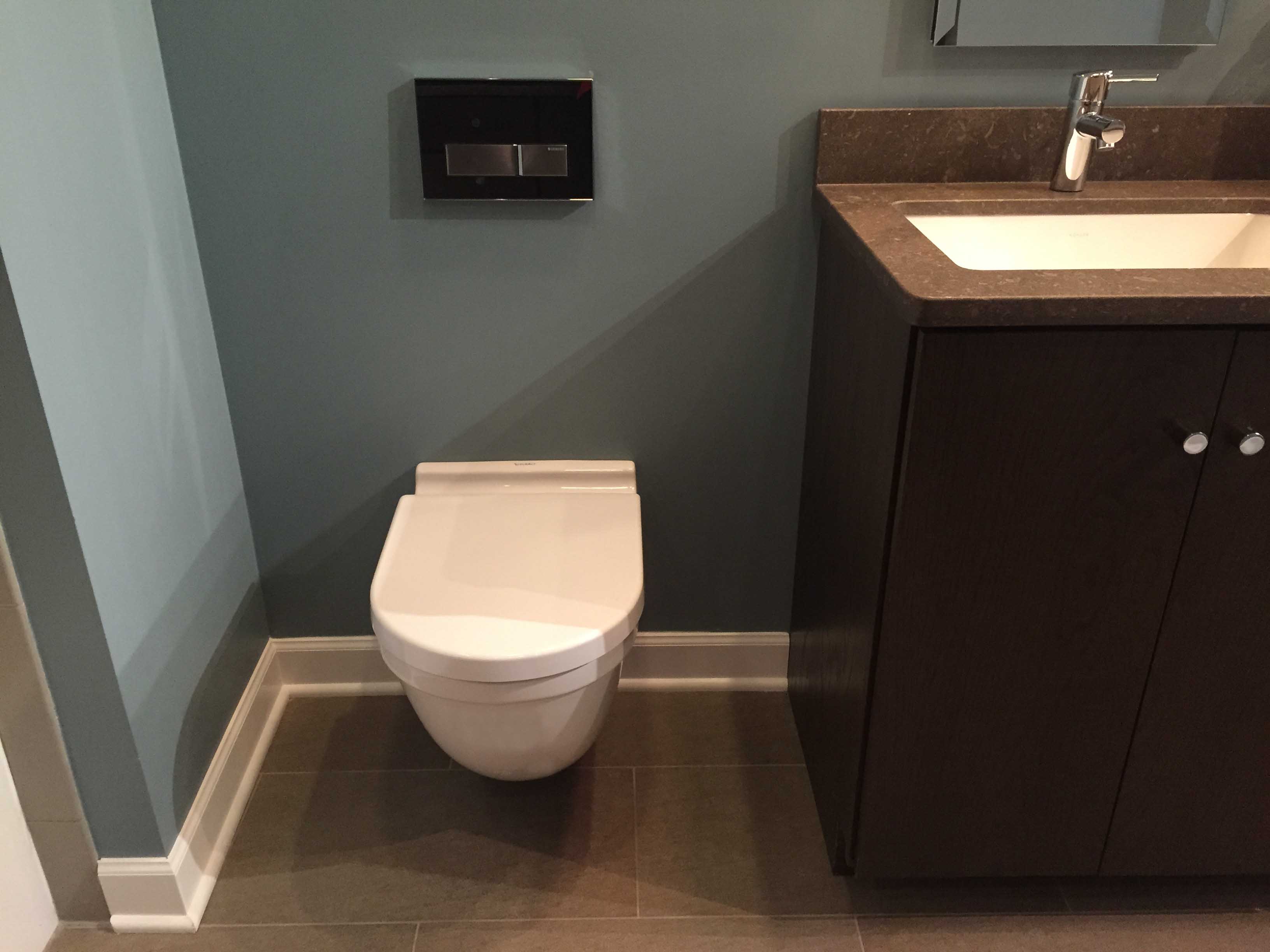
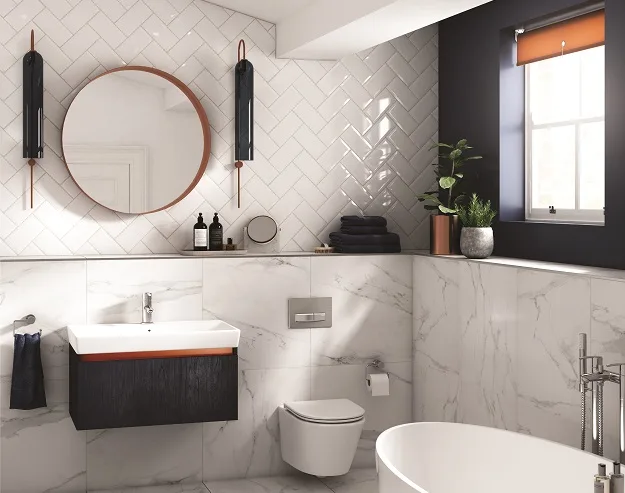
The sleek profile of wall-hung toilets contributes to a streamlined and modern appearance in bathrooms. By eliminating the traditional floor-mounted base, these toilets create an illusion of expanded space and promote a minimalist aesthetic that is increasingly favored in current interior design trends.
- Seamless integration with floating vanities.
- Enhanced visual flow in small spaces.
- Customizable height for ergonomic comfort.
Space Efficiency
In environments where square footage is limited, wall-hung toilets provide substantial space savings. By relocating the tank behind the wall, these units can reclaim up to 10 inches of floor area, making them ideal for small bathrooms or compact hotel rooms.
- Improved maneuverability in tight spaces.
- Compliance with building codes for clearances.
- Facilitation of underfloor heating systems.
Ease of Cleaning and Maintenance
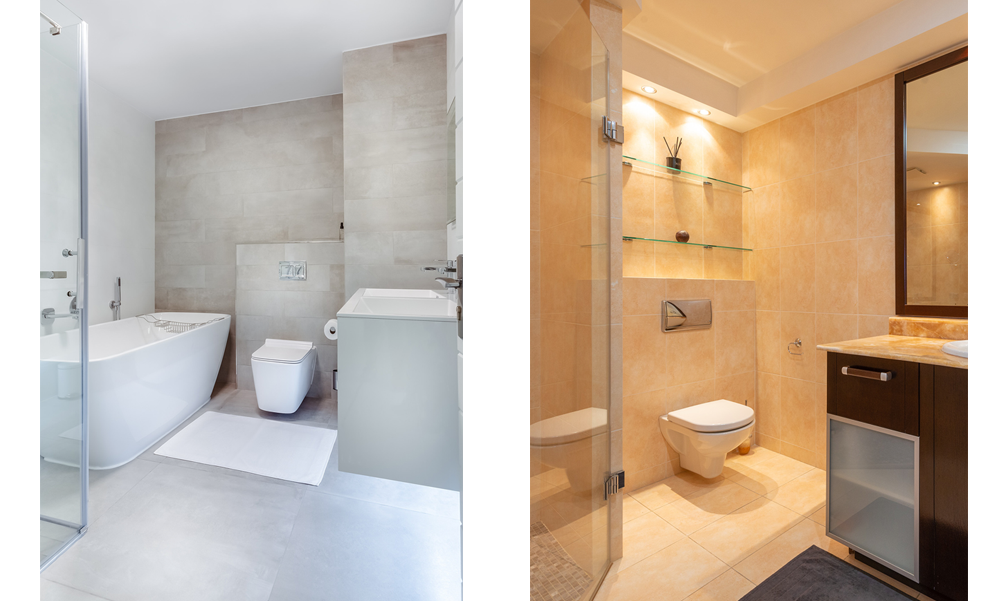
One of the primary advantages of wall-hung toilets is the simplified cleaning process. Without a base contacting the floor, maintenance beneath the fixture becomes straightforward, reducing the accumulation of dirt and facilitating thorough sanitation.
- Easy access to floor areas for mopping.
- Reduced mold and mildew buildup.
- Simplified plumbing access via wall panels.
Hygiene and Accessibility
Modern wall-hung toilets often incorporate advanced features such as bidet functions and adjustable heights, promoting hygiene and accommodating diverse user needs. These elements are crucial for aging-in-place strategies.
- Adjustable installation height for accessibility.
- Integrated bidet options for enhanced hygiene.
- Support for universal design principles.
Environmental Considerations
With growing emphasis on sustainability, wall-hung toilets frequently feature low-flow mechanisms that conserve water, aligning with ecological standards.
- Dual-flush systems for water efficiency.
- Compatibility with greywater recycling.
- Contribution to LEED certification points.
Comparison: Wall-Hung vs. Floor-Mounted Toilets
| Aspect | Wall-Hung Toilet | Floor-Mounted Toilet |
|---|---|---|
| Space Usage | Minimal floor footprint | Larger base occupies more space |
| Cleaning | Easy under-fixture access | Difficult to clean around base |
| Installation | Requires wall reinforcement | Simpler floor installation |
| Aesthetics | Modern and sleek | Traditional appearance |
| Cost | Higher upfront cost | Generally lower cost |

Conclusion
The rising adoption of wall-hung toilets in modern bathroom design reflects a convergence of aesthetic innovation, practical efficiency, and user-centric functionality. As design professionals and homeowners continue to prioritize these attributes, such fixtures are poised to become standard in contemporary interiors.


评论
发表评论