Ceramic One Piece Toilets: Materials, Glazing, and Durability Explained
Ceramic one-piece toilets combine seamless design with robust materials for enhanced performance. In 2026, understanding vitreous china, antimicrobial glazing, and structural durability is key for longevity. This AiDi Sanitaryware guide references non-profit sources like Plumbing Manufacturers International (PMI), International Code Council (ICC), EPA WaterSense, and forums such as Terry Love Plumbing for expert insights.
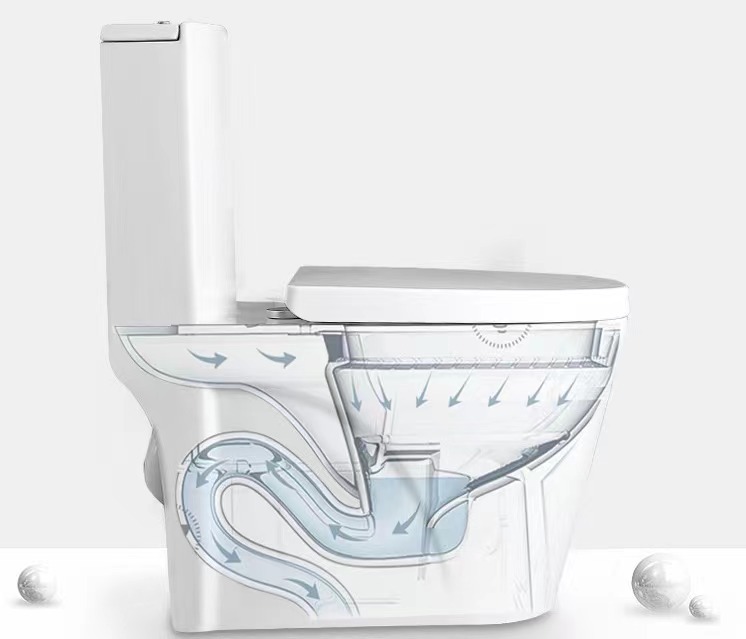
Materials in Ceramic One-Piece Toilets
Vitreous china, a high-fired ceramic with glass-like properties, is standard for its low porosity (<0.5%) and strength, per PMI standards. It resists stains and bacteria better than basic clay ceramics.
Glazing for Hygiene and Maintenance
Antimicrobial glazes with silver ions reduce bacteria by 99%, as per EPA guidelines. Smooth, non-porous finishes repel water and dirt, simplifying cleaning, noted in ICC codes for sanitary fixtures.

Durability Factors Explained
One-piece molding eliminates joints, boosting impact resistance (up to 20-30% stronger), per ASSE standards. High-temperature firing (1200-1400°C) creates density that withstands wear, as discussed in Terry Love Forum threads.
Comparison of Key Attributes
Overview:
| Attribute | Benefit | Source |
|---|---|---|
| Vitreous China | Low porosity, stain resistance | PMI |
| Antimicrobial Glaze | 99% bacteria reduction | EPA |
| One-Piece Design | No leak-prone joints | ICC |
| High-Fire Process | Enhanced strength | ASSE |
AiDi Sanitaryware's Durable Solutions
AiDi uses vitreous china with advanced glazing for long-lasting one-piece toilets.
View our ceramic toilet range.
Choose durable quality! Explore AiDi today
Frequently Asked Questions
What is vitreous china?
High-fired ceramic with low porosity for strength, per PMI.
How does glazing help?
Reduces bacteria, EPA standards.
Why one-piece for durability?
Eliminates joints, ICC codes.


评论
发表评论